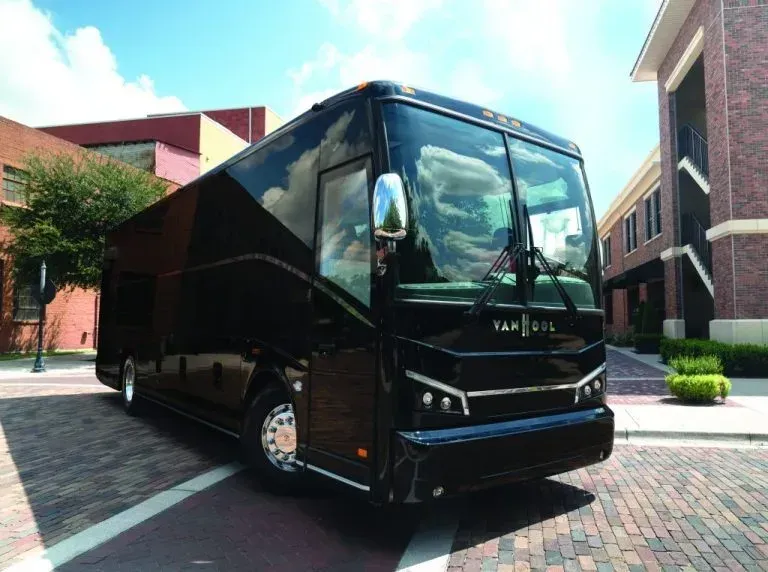
Planning transportation for a large group can easily become a demanding process when various schedules, pickup arrangements, and travel expectations need to be coordinated. Whether the gathering consists of corporate events, family festivities, organized outings, or special occasions, ensuring timely group arrivals demands strategic planning. A well-organized transportation strategy helps eliminate confusion, reduces delays, and creates a more enjoyable experience for everyone involved. By focusing on the critical factors involved in group transportation planning, organizers can create an efficient travel experience throughout the entire trip.
When large groups travel together, transportation becomes more than simply moving passengers from one location to another. It plays a valuable role in shaping the complete event experience. Effective coordination helps keep schedules on track, enhances communication among travelers, and supports a more comfortable trip. At A1 Quality Express Limousine, we appreciate the importance of delivering organized transportation arrangements that support convenient and reliable group travel.
Begin Transportation Planning Early
Successful group transportation begins with early preparation. Late planning can reduce transportation choices and make it more difficult to satisfy group requirements. Coordinators should initially determine the number of travelers, key travel dates, departure estimates, and destination expectations. Collecting this information in advance provides a strong basis for transportation plans that align with the event schedule.
Early preparation helps organizers identify possible challenges before they create disruptions. Event schedules, transportation logistics, accessibility considerations, and roadway conditions all play a role in shaping transportation plans. By addressing these details ahead of time, organizers can develop a transportation strategy that keeps the group moving efficiently. Thorough preparation often results in smoother travel experiences and fewer unexpected disruptions.
Assess the Number and Needs of Participants
One of the primary aspects of group transportation planning is determining passenger numbers and specific requirements. Accurate traveler counts assist in matching transportation resources to group requirements effectively. Organizers should determine attendance figures in advance and continue refining them as plans develop.
Beyond simply counting travelers, it is essential to understand individual requirements within the group. Different passengers may require additional baggage capacity, accessibility accommodations, or other forms of assistance. Awareness of these details supports transportation arrangements that better serve the group. Obtaining comprehensive details helps planners deliver greater comfort and efficiency throughout the trip.
Design a Well-Organized Transportation Schedule
A clear transportation schedule serves as a roadmap for the entire group. Planners need to map out departure schedules, pickup points, travel time estimates, arrival targets, and designated stops. Well-structured scheduling minimizes confusion and ensures all participants know their exact timing and place. Clarity and consistency are particularly important when handling larger groups with many participants.
Clear communication is essential for making transportation schedules successful. All passengers should be provided with transportation information prior to the event. Providing schedules through digital platforms or printed copies helps maintain awareness among participants. Well-defined expectations contribute to smoother and more efficient transportation execution.
Create Unified Pickup and Drop-Off Locations
Organizing numerous pickup areas often increases logistical difficulty for large groups. When possible, coordinators should use unified pickup and drop-off points for participant convenience. Centralizing locations helps speed up boarding and minimizes delays caused by frequent stops. It simplifies communication processes and boosts overall coordination effectiveness.
Central meeting points also help ensure all travelers are accounted for prior to departure. Leaders can check attendance, share important updates, and respond to questions prior to travel. This organized approach helps ensure that everyone is prepared and that transportation operations stay on schedule. Clear gathering points play a major role in creating smooth travel experiences.
Prioritize Clear Communication Throughout the Process
Strong communication is a critical factor in effective coordination of group travel. Participants must be kept informed of schedules, instructions, and any adjustments. Reliable information ensures passengers can prepare without uncertainty. Strong communication supports both efficiency and passenger satisfaction.
Planners should implement dependable channels for sharing updates throughout the event. Group chats, email updates, and assigned representatives help ensure fast communication. At the center of every successful plan, communication ensures consistency and awareness. Consistent information sharing helps ensure smooth and uninterrupted travel.
Prepare for Sudden Changes
Even the most organized transportation plans can experience surprises. Conditions such as weather, traffic, timing changes, and delays may demand immediate action. Incorporating adaptability helps ensure smooth responses to unexpected events. Proper preparation helps maintain stability despite evolving circumstances.
Contingency planning should include backup communication methods, alternate routes when appropriate, and designated points of contact who can assist with decision-making. Having procedures in place for handling unexpected challenges helps reduce stress and supports a more organized group transportation response. Proactive strategies help maintain efficiency during necessary adjustments.
Prioritize Traveler Comfort and Ease
The comfort of travelers strongly influences the journey experience. Extended group travel makes comfort and convenience key priorities. Comfortable seating, organized boarding procedures, and a well-managed travel environment help create a positive atmosphere throughout the journey. Passenger comfort increases enjoyment and readiness upon arrival.
Ease of travel contributes significantly to successful coordination. Simplified boarding processes, clear instructions, and efficient scheduling reduce unnecessary complications for passengers. Well-structured transportation lets passengers enjoy the occasion without concern. A comfortable and convenient journey often enhances the overall success of the occasion.
Collaborate with Experienced Transport Providers
Coordinating transportation for large groups involves many moving parts, making professional support a valuable resource. Skilled transport professionals understand scheduling, passenger flow, and efficient operations. Their knowledge supports smooth navigation of logistical challenges and ensures reliability.
Professional providers contribute valuable knowledge that strengthens organization. Their experience with group travel helps them anticipate issues and suggest effective solutions. Using expert support allows organizers to concentrate on the event while logistics are managed properly.
Integrate Group Transportation Into the Event Experience
Group travel should be treated as part of the event experience rather than basic transit. Organized transportation helps passengers enjoy and engage before the event begins. Good coordination contributes positively to the event experience and creates a welcoming tone.
At A1 Quality Express Limousine, we believe effective group transportation starts with careful planning, clear communication, and dedication to passenger satisfaction. Managing group transportation becomes easier when effective strategies are used. By emphasizing structure, preparation, and comfort, groups can experience smooth travel that enhances any event. We are committed to creating reliable travel experiences that ensure passenger peace of mind.